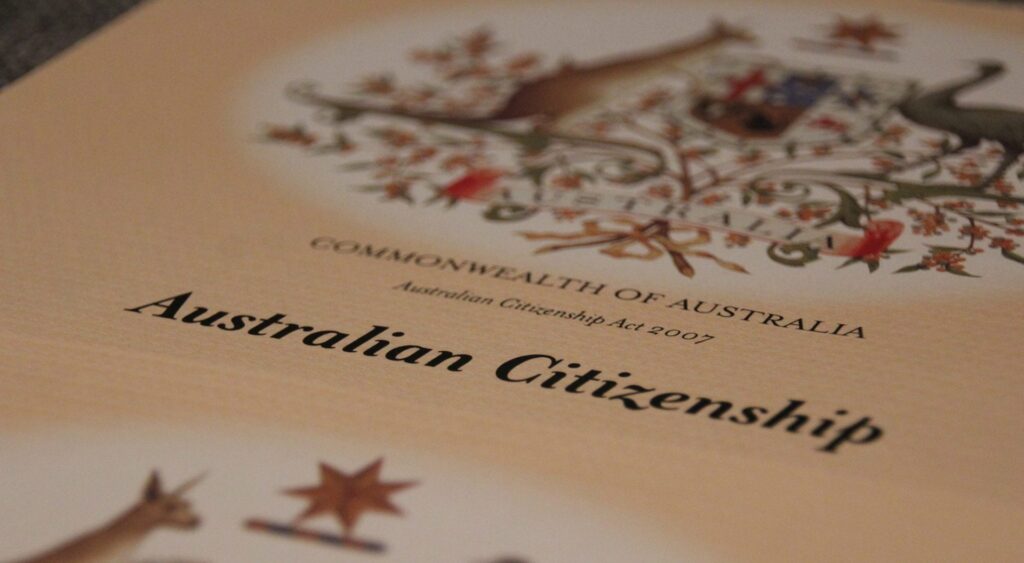
Becoming an Australian citizen is a significant milestone, and the Australian Citizenship Test is a crucial step in this journey. Designed to assess your knowledge of Australia’s history, values, and government, the test ensures that new citizens are well-prepared to contribute to the country’s vibrant society. However, preparing for the test can feel overwhelming if you don’t know where to start.
In this step-by-step guide, we’ll walk you through everything you need to know how to prepare for the Australian Citizenship Test with confidence. From understanding the test format and eligibility requirements to finding the best study resources and acing the exam, we’ve got you covered. Whether you’re a permanent resident ready to take the next step or just starting to explore the process, this guide will provide you with the tools and tips to succeed. Let’s dive in and make your path to Australian citizenship as smooth as possible!
Understanding the Australian Citizenship Test
What is the Australian Citizenship Test?
The Australian Citizenship Test is a mandatory requirement for most individuals applying to become Australian citizens. It serves as a way to ensure that applicants have a solid understanding of Australia’s history, culture, values, and system of government. By passing the test, you demonstrate that you’re not only knowledgeable about the country but also committed to embracing its values and way of life.
Purpose of the Test
The primary goal of the Australian Citizenship Test is to assess whether applicants have the necessary knowledge to participate fully in Australian society. It emphasizes the importance of:
- Understanding Australia’s democratic beliefs, laws, and government.
- Recognizing the rights and responsibilities of Australian citizens.
- Appreciating the country’s Indigenous heritage and multicultural identity.
- Upholding the values outlined in the Australian Values Statement, such as respect, equality, and freedom.
The test is not just about memorizing facts—it’s about fostering a deeper connection to Australia and its people. It ensures that new citizens are well-prepared to contribute positively to their communities and the nation as a whole.
Test Format and Structure
The Australian Citizenship Test is a computer-based exam that consists of 20 multiple-choice questions. Here’s what you need to know about its format:
- Time Limit: You’ll have 45 minutes to complete the test.
- Passing Score: You must answer at least 15 questions correctly (75%) to pass.
- Language: The test is conducted entirely in English, so a basic understanding of the language is essential.
- Content: The questions are drawn from the official resource booklet, Australian Citizenship: Our Common Bond, which covers topics like Australian history, government, values, and symbols.
Key Topics Covered in the Test
The test questions are designed to assess your knowledge of the following areas:
- Australia and Its People:
- Learn about the Indigenous heritage of Australia, including the culture and contributions of Aboriginal and Torres Strait Islander peoples.
- Understand the impact of British settlement and the development of modern Australia.
- Australian Values:
- Study the core values that define Australian society, such as democracy, equality, and mutual respect.
- Familiarize yourself with the Australian Values Statement, which all applicants must commit to.
- Australia’s System of Government:
- Explore the structure of Australia’s democratic government, including the roles of the Prime Minister, Parliament, and the judiciary.
- Learn about voting rights and the importance of participating in elections.
- Rights and Responsibilities of Citizenship:
- Understand the privileges of being an Australian citizen, such as the right to vote and apply for an Australian passport.
- Recognize your responsibilities, including obeying the law and defending Australia if needed.
- Symbols and Traditions:
- Study Australia’s national symbols, such as the flag, coat of arms, and national anthem.
- Learn about important holidays and traditions, like Australia Day and ANZAC Day.
Who Administers the Test?
The Australian Citizenship Test is administered by the Department of Home Affairs Australia, the government body responsible for immigration and citizenship. The Department provides all the necessary resources, including the official study booklet and practice tests, to help applicants prepare.
Why is the Test Important?
The test plays a crucial role in the citizenship process because it ensures that new citizens:
- Have a strong understanding of Australia’s history and culture.
- Are committed to upholding Australian values and laws.
- Are prepared to actively participate in their communities and contribute to the nation’s future.
By passing the test, you take an important step toward becoming a full-fledged member of Australian society, with all the rights and responsibilities that come with it.
Who is Eligible to Take the Test?
Before you can sit for the Australian Citizenship Test, you must meet specific eligibility criteria set by the Department of Home Affairs Australia. These requirements ensure that applicants are well-prepared to become Australian citizens and are committed to upholding the country’s values and laws. Here’s a detailed breakdown of the eligibility criteria:
1. Permanent Residency Status
To be eligible for the Australian Citizenship Test, you must be a permanent resident of Australia. This means you’ve already gone through the immigration process and have been granted a permanent visa. Here’s what you need to know:
- Residency Requirement: You must have lived in Australia legally for a specified period, usually at least 12 months as a permanent resident.
- Physical Presence: You must have been physically present in Australia for a minimum of 4 years (including the 12 months as a permanent resident) and not have been absent for more than 12 months in total during that period.
- Character Check: You must demonstrate good character, which includes having a clean criminal record and adhering to Australian laws.
If you’re unsure about your residency status or how long you’ve been in Australia, you can check your visa details through the Department of Home Affairs website.
2. English Language Proficiency
The Australian Citizenship Test is conducted entirely in English, so you’ll need a basic understanding of the language to read and answer the questions. While there’s no formal English language test, your ability to communicate effectively will be assessed during the application process. Here’s what to keep in mind:
- Reading and Writing Skills: You should be able to read and understand the test questions, which are written in English.
- Speaking and Listening Skills: Although the test itself is written, your overall English proficiency may be evaluated during other stages of the citizenship process, such as the interview.
If you’re not confident in your English skills, consider taking an English language course or using study materials designed for non-native speakers.
3. Identity and Documentation Requirements
As part of the citizenship application process, you’ll need to provide valid identity documents to prove who you are. These documents typically include:
- Passport: Your current passport or travel documents.
- Birth Certificate: A certified copy of your birth certificate.
- Proof of Name Change: If applicable, documents showing any changes to your name (e.g., marriage certificate).
- Photos: Recent passport-sized photographs that meet the Department’s specifications.
Ensure that all your documents are up-to-date and certified if required. The Department of Home Affairs provides a detailed checklist to help you gather the necessary paperwork.
4. Commitment to Australian Values
A key part of the citizenship process is demonstrating your commitment to Australian values, as outlined in the Australian Values Statement. This statement reflects the principles that underpin Australian society, such as:
- Democracy: Respect for Australia’s democratic system of government.
- Equality: Treating everyone fairly, regardless of their background.
- Freedom: Valuing freedom of speech, religion, and association.
- Rule of Law: Obeying Australian laws and respecting legal processes.
When you apply for citizenship, you’ll be required to sign the Australian Values Statement, confirming that you understand and agree to uphold these values. The citizenship test includes questions about these values to ensure you’re familiar with them.
5. Age Requirements
Most applicants aged 18 to 59 are required to take the Australian Citizenship Test. However, there are exceptions:
- Applicants Under 18: Children under 18 are exempt from the test but must be included in a parent’s citizenship application.
- Applicants Over 60: Individuals aged 60 and older are not required to take the test but may still need to attend an interview.
If you’re unsure whether you need to take the test, check the Department of Home Affairs website or consult with a migration agent.
6. Good Character Requirement
To be eligible for Australian citizenship, you must demonstrate that you’re of good character. This involves:
- Criminal Record Check: Providing police clearance certificates from every country you’ve lived in for 12 months or more over the past 10 years.
- Adherence to Laws: Showing that you’ve followed Australian laws and have not been involved in serious criminal activity.
If you have a criminal record, it doesn’t automatically disqualify you, but you may need to provide additional documentation or explanations.
7. Application Process
Once you’ve confirmed that you meet the eligibility criteria, you can proceed with the citizenship application process. Here’s what to expect:
- Submit Your Application: Complete the application form online or on paper and pay the required fee.
- Provide Supporting Documents: Submit all necessary identity documents and proof of residency.
- Wait for an Invitation: If your application is approved, you’ll receive an invitation to sit for the citizenship test.
- Attend the Test: Take the test at an approved testing center.
What Happens If You Don’t Meet the Eligibility Criteria?
If you don’t meet the eligibility requirements, you may need to wait until you do or address any issues (e.g., improving your English skills or resolving legal matters). In some cases, you may be eligible for an exemption or concession, such as:
- Exemptions for Permanent Residents with Disabilities: If you have a permanent physical or mental incapacity, you may be exempt from the test.
- Concessions for Older Applicants: Individuals aged 60 and older are not required to take the test but may need to attend an interview.
If you’re unsure about your eligibility, consider seeking advice from a registered migration agent or contacting the Department of Home Affairs directly.
What Topics Are Covered in the Test?
The Australian Citizenship Test is based on the official resource booklet, Australian Citizenship: Our Common Bond, which is provided by the Department of Home Affairs Australia. This booklet is your primary study guide and covers all the information you’ll need to pass the test. The test questions are designed to assess your knowledge of Australia’s history, culture, values, and system of government. Here’s a detailed breakdown of the key topics covered in the test:
1. Australia and Its People
This section focuses on Australia’s rich history and diverse population. Key areas include:
- Indigenous Heritage:
- Learn about the culture, traditions, and contributions of Aboriginal and Torres Strait Islander peoples, who have lived in Australia for over 65,000 years.
- Understand the significance of events like National Reconciliation Week and NAIDOC Week.
- British Settlement:
- Study the impact of British colonization, including the arrival of the First Fleet in 1788.
- Explore the development of modern Australia, from its early days as a British colony to its evolution into a multicultural nation.
- Multicultural Society:
- Recognize the contributions of migrants from all over the world to Australia’s cultural and economic growth.
- Understand the importance of multiculturalism as a core value of Australian society.
2. Australian Values
Australian values are at the heart of the citizenship test. This section emphasizes the principles that define Australian society and are outlined in the Australian Values Statement. Key areas include:
- Democracy:
- Understand Australia’s democratic system of government, including the right to vote and the importance of participating in elections.
- Learn about the role of the Constitution in shaping Australia’s laws and governance.
- Equality:
- Recognize the importance of treating everyone fairly, regardless of their background, race, or religion.
- Understand the concept of a fair go, which is central to Australian culture.
- Freedom:
- Value the freedoms enjoyed by Australians, such as freedom of speech, religion, and association.
- Learn about the importance of respecting the rights and freedoms of others.
- Rule of Law:
- Understand that everyone in Australia is subject to the law, and no one is above it.
- Recognize the role of the police and the judiciary in maintaining law and order.
3. Australia’s System of Government
This section covers the structure and functions of Australia’s government. Key areas include:
- Democratic System:
- Learn about the three levels of government: federal, state/territory, and local.
- Understand the roles of key institutions, such as the Parliament, the Prime Minister, and the Governor-General.
- Voting and Elections:
- Study the electoral process, including how elections are conducted and the importance of voting.
- Recognize the role of political parties and the significance of a secret ballot.
- Laws and Justice:
- Understand how laws are made and enforced in Australia.
- Learn about the role of the High Court and the principles of justice and fairness.
4. Rights and Responsibilities of Citizenship
Becoming an Australian citizen comes with both rights and responsibilities. This section covers:
- Rights of Citizens:
- The right to vote in federal, state, and local elections.
- The right to apply for an Australian passport and travel freely.
- The right to seek consular assistance from Australian embassies and consulates overseas.
- Responsibilities of Citizens:
- The duty to obey Australian laws and respect the rights of others.
- The responsibility to defend Australia if called upon (e.g., through national service).
- The importance of participating in the community and contributing to society.
5. Symbols and Traditions
This section explores the symbols and traditions that represent Australia. Key areas include:
- National Symbols:
- Learn about the Australian flag, its design, and what it represents.
- Study the coat of arms, the national anthem (Advance Australia Fair), and the national colors (green and gold).
- Important Holidays:
- Understand the significance of Australia Day (January 26) and its historical context.
- Learn about ANZAC Day (April 25) and its importance in honoring Australia’s military history.
- Cultural Traditions:
- Explore Australian traditions, such as barbecues, sporting events, and public holidays.
- Recognize the role of arts, music, and literature in shaping Australian culture.
6. Practice Questions and Preparation Tips
To help you prepare, the Department of Home Affairs Australia provides practice questions and resources. Here’s how to make the most of them:
- Official Practice Test: Take the online practice test to familiarize yourself with the format and types of questions.
- Study Groups: Join a study group or online forum to discuss topics and share tips with other applicants.
- Flashcards and Apps: Use flashcards or mobile apps to test your knowledge on the go.
Step-by-Step Preparation Guide for the Australian Citizenship Test
Step 1: Gather the Right Study Materials
Preparing for the Australian Citizenship Test begins with gathering the right study materials. The test is based on the official resource booklet, Australian Citizenship: Our Common Bond, which is provided by the Department of Home Affairs Australia. However, there are additional resources that can help you study more effectively and feel confident on test day. Here’s a detailed guide to the materials you’ll need:
1. Official Study Guide: Australian Citizenship: Our Common Bond
This is the most important resource for your preparation. The booklet covers all the topics included in the test and is available for free on the Department of Home Affairs website. Here’s what you’ll find inside:
- Australia and Its People: Learn about Australia’s Indigenous heritage, British settlement, and multicultural society.
- Australian Values: Understand the core values that define Australian society, such as democracy, equality, and freedom.
- Australia’s System of Government: Study the structure of Australia’s government, including the roles of Parliament, the Prime Minister, and the judiciary.
- Rights and Responsibilities of Citizenship: Explore the privileges and duties of being an Australian citizen.
- Symbols and Traditions: Familiarize yourself with Australia’s national symbols, holidays, and cultural traditions.
How to Use the Booklet:
- Read the booklet thoroughly, taking notes on key points.
- Focus on understanding the concepts rather than just memorizing facts.
- Use the practice questions at the end of each section to test your knowledge.
2. Online Practice Tests
Practice tests are an essential part of your preparation. They help you familiarize yourself with the test format, identify areas where you need improvement, and build confidence. Here’s where to find them:
- Department of Home Affairs Practice Test: The official practice test is available on the Department’s website and includes sample questions similar to those on the actual test.
- Third-Party Practice Tests: Many websites and apps offer additional practice questions. Look for reputable sources that align with the official study guide.
Tips for Using Practice Tests:
- Simulate test conditions by timing yourself (45 minutes for 20 questions).
- Review your answers carefully, especially for questions you got wrong.
- Take multiple practice tests to ensure you’re consistently scoring above 75%.
3. Mobile Apps and Online Tools
There are several mobile apps and online tools designed to help you prepare for the Australian Citizenship Test. These resources often include flashcards, quizzes, and study guides. Some popular options include:
- Australian Citizenship Test 2023: An app with practice questions and study materials.
- Citizenship Practice Test AU: Offers a variety of questions and tracks your progress.
- Quizlet: Search for flashcards and study sets created by other users.
How to Use Apps Effectively:
- Use apps to study on the go, such as during your commute or while waiting in line.
- Focus on areas where you need the most practice, such as Australian history or government.
- Combine app-based learning with the official study guide for a well-rounded approach.
4. Study Groups and Online Forums
Joining a study group or online forum can be a great way to stay motivated and learn from others. Here’s how to get started:
- Local Study Groups: Check community centers, libraries, or adult education programs for in-person study groups.
- Online Communities: Join forums or social media groups dedicated to the Australian Citizenship Test. These platforms allow you to ask questions, share tips, and discuss challenging topics.
Benefits of Study Groups:
- Gain new perspectives and insights from other applicants.
- Stay accountable and motivated by studying with others.
- Practice explaining concepts, which can deepen your understanding.
5. Additional Books and Resources
While the official study guide is the most important resource, additional books and materials can provide extra support. Look for books that cover:
- Australian History: Learn more about key events, figures, and milestones in Australia’s history.
- Government and Politics: Explore the structure and functions of Australia’s government in greater detail.
- Cultural Studies: Dive deeper into Australia’s Indigenous heritage, multicultural society, and national identity.
Recommended Books:
- The Australian Story: The History of a Nation by Don Watson.
- Australian Politics For Dummies by Nick Economou and Zareh Ghazarian.
- Dark Emu by Bruce Pascoe (for a deeper understanding of Indigenous history).
6. Videos and Multimedia Resources
Visual and auditory learners may benefit from videos and multimedia resources. Here are some options:
- YouTube Channels: Search for channels that explain Australian history, government, and values in an engaging way.
- Documentaries: Watch documentaries about Australia’s history, culture, and Indigenous heritage.
- Podcasts: Listen to podcasts that discuss Australian politics, society, and current events.
How to Use Multimedia Resources:
- Use videos to supplement your reading and reinforce key concepts.
- Take notes while watching or listening to help retain information.
- Look for content that aligns with the topics covered in the official study guide.
7. Create Your Own Study Plan
Once you’ve gathered your materials, create a study plan to stay organized and focused. Here’s how:
- Set Goals: Break down the topics into manageable sections and set daily or weekly goals.
- Schedule Study Time: Dedicate specific times each day or week to study, and stick to your schedule.
- Track Progress: Use a checklist or journal to track which topics you’ve covered and which ones need more attention.
Step 2: Create a Study Plan
Creating a study plan is a crucial step in preparing for the Australian Citizenship Test. A well-structured plan helps you stay organized, manage your time effectively, and ensure that you cover all the necessary topics before test day. Here’s a step-by-step guide to creating a study plan that works for you:
1. Assess Your Current Knowledge
Before diving into your study plan, take some time to assess your current knowledge of the test topics. This will help you identify areas where you need the most focus. Here’s how to do it:
- Take a Practice Test: Start by taking an official practice test from the Department of Home Affairs Australia website. This will give you a baseline score and highlight your strengths and weaknesses.
- Review the Study Guide: Skim through the Australian Citizenship: Our Common Bond booklet to familiarize yourself with the topics and structure.
- Identify Weak Areas: Note down the topics or sections where you feel less confident, such as Australian history, government, or values.
2. Set Clear Goals
Setting clear, achievable goals is key to staying motivated and on track. Here’s how to set effective study goals:
- Short-Term Goals: Break down your preparation into smaller, manageable tasks. For example, aim to study one chapter of the booklet per day or complete a practice test every week.
- Long-Term Goals: Set a target date for completing your preparation, ideally a week or two before the actual test date. This gives you time for final revisions and practice.
- SMART Goals: Make your goals Specific, Measurable, Achievable, Relevant, and Time-bound. For example, “I will study the Australian Values section for 1 hour every day this week.”
3. Create a Study Schedule
A study schedule helps you allocate time for each topic and ensures you cover everything before the test. Here’s how to create one:
- Daily Study Time: Dedicate a specific amount of time each day to studying. Even 1-2 hours a day can make a big difference over time.
- Weekly Topics: Assign specific topics to each week. For example:
- Week 1: Australia and Its People
- Week 2: Australian Values
- Week 3: Australia’s System of Government
- Week 4: Rights and Responsibilities of Citizenship
- Week 5: Symbols and Traditions
- Flexibility: Build in some flexibility to revisit challenging topics or take breaks when needed.
4. Use a Variety of Study Methods
Different study methods can help reinforce your learning and keep things interesting. Here are some ideas:
- Reading: Thoroughly read the Australian Citizenship: Our Common Bond booklet and take notes on key points.
- Practice Tests: Regularly take practice tests to assess your progress and get used to the test format.
- Flashcards: Create flashcards for key facts, dates, and concepts. Use them for quick revision.
- Group Study: Join a study group or online forum to discuss topics and quiz each other.
- Multimedia Resources: Watch videos, listen to podcasts, or use apps to supplement your learning.
5. Track Your Progress
Tracking your progress helps you stay motivated and ensures you’re on track to meet your goals. Here’s how to do it:
- Checklists: Create a checklist of topics and mark them off as you complete them.
- Practice Test Scores: Keep a record of your practice test scores to see how you’re improving over time.
- Study Journal: Maintain a journal where you jot down key points, questions, and areas that need more attention.
6. Stay Consistent and Motivated
Consistency is key to effective studying. Here are some tips to stay motivated:
- Set Reminders: Use a calendar or app to set reminders for your study sessions.
- Reward Yourself: Celebrate small milestones, such as completing a chapter or scoring well on a practice test.
- Stay Positive: Remind yourself why you’re taking the test and the benefits of becoming an Australian citizen.
7. Plan for Final Revisions
In the final weeks leading up to the test, focus on revising and reinforcing your knowledge. Here’s how:
- Review Notes: Go through your notes and flashcards to refresh your memory.
- Take More Practice Tests: Simulate test conditions by taking timed practice tests.
- Focus on Weak Areas: Spend extra time on topics where you still feel less confident.
Sample Study Plan
Here’s an example of a 6-week study plan to help you get started:
| Week | Topics to Cover | Tasks |
|---|---|---|
| Week 1 | Australia and Its People | Read Chapter 1, take notes, complete practice questions. |
| Week 2 | Australian Values | Read Chapter 2, create flashcards, join a study group. |
| Week 3 | Australia’s System of Government | Read Chapter 3, watch videos, take a practice test. |
| Week 4 | Rights and Responsibilities of Citizenship | Read Chapter 4, discuss with peers, review flashcards. |
| Week 5 | Symbols and Traditions | Read Chapter 5, take notes, complete practice questions. |
| Week 6 | Final Revisions | Review all chapters, take multiple practice tests, focus on weak areas. |
Top Tips for Test Day
Test day can be nerve-wracking, but with the right preparation and mindset, you can approach the Australian Citizenship Test with confidence. Here are some top tips to help you stay calm, focused, and ready to succeed:
1. Prepare the Night Before
The night before the test is just as important as the day itself. Here’s how to ensure you’re ready:
- Gather Required Documents: Double-check that you have all the necessary documents, such as your proof of identity, test invitation letter, and any other required paperwork.
- Pack Your Bag: Prepare a small bag with essentials like water, snacks, and any study materials you might want to review briefly before the test.
- Get a Good Night’s Sleep: Aim for at least 7-8 hours of sleep to ensure you’re well-rested and alert.
2. Eat a Healthy Breakfast
Fuel your brain with a nutritious breakfast on the morning of the test. Here’s what to consider:
- Choose Brain-Boosting Foods: Opt for foods rich in protein, healthy fats, and complex carbohydrates, such as eggs, whole-grain toast, yogurt, or oatmeal.
- Stay Hydrated: Drink plenty of water to stay hydrated, but avoid excessive caffeine, which can make you jittery.
- Avoid Heavy Meals: Steer clear of heavy or greasy foods that might make you feel sluggish.
3. Arrive Early
Arriving early can help you feel calm and prepared. Here’s why it matters:
- Avoid Stress: Plan to arrive at least 30 minutes before your scheduled test time to account for traffic, parking, or unexpected delays.
- Familiarize Yourself: Use the extra time to get comfortable with the testing environment and locate the restroom or waiting area.
- Check-In Process: Be prepared to go through a check-in process, which may include verifying your identity and storing personal belongings.
4. Stay Calm and Positive
Feeling nervous is normal, but staying calm can help you think clearly. Here’s how to manage test-day anxiety:
- Practice Deep Breathing: Take a few deep breaths to calm your nerves before the test begins.
- Positive Self-Talk: Remind yourself that you’ve prepared well and are ready to succeed.
- Focus on the Present: Concentrate on one question at a time instead of worrying about the entire test.
5. Read Questions Carefully
The test consists of 20 multiple-choice questions, and reading them carefully is key to avoiding mistakes. Here’s how to approach the questions:
- Take Your Time: You have 45 minutes to complete the test, so there’s no need to rush. Read each question thoroughly before answering.
- Look for Keywords: Pay attention to keywords in the questions, such as “not,” “always,” or “most likely,” which can change the meaning.
- Eliminate Wrong Answers: If you’re unsure of the correct answer, eliminate options that are clearly wrong to improve your chances of guessing correctly.
6. Manage Your Time Wisely
While you don’t need to rush, it’s important to keep an eye on the clock. Here’s how to manage your time effectively:
- Pace Yourself: Aim to spend about 2 minutes on each question, leaving some time at the end to review your answers.
- Flag Difficult Questions: If you’re stuck on a question, flag it and move on. You can come back to it later if you have time.
- Review Your Answers: Use any remaining time to double-check your answers, especially for questions you were unsure about.
7. Dress Comfortably
Wearing comfortable clothing can help you stay focused and relaxed during the test. Here’s what to keep in mind:
- Layer Up: Testing centers can be chilly, so wear layers that you can adjust as needed.
- Avoid Distractions: Choose simple, comfortable clothing that won’t distract you during the test.
8. Bring Necessary Supplies
While the test is computer-based, there are a few items you might want to bring:
- Water and Snacks: Stay hydrated and energized, especially if you have to wait before or after the test.
- Glasses or Contacts: If you wear glasses or contacts, make sure you have them with you.
- Medications: If you take any medications, bring them along in case you need them.
9. Stay Focused on Your Goal
Remember why you’re taking the test and what it means to you. Here’s how to stay motivated:
- Visualize Success: Picture yourself passing the test and becoming an Australian citizen.
- Stay Positive: Even if you find some questions challenging, stay positive and do your best.
- Celebrate Afterward: Plan something enjoyable to look forward to after the test, like a meal with family or friends.
10. Know What Happens Next
After the test, you’ll receive your results immediately. Here’s what to expect:
- If You Pass: Congratulations! You’ll be one step closer to becoming an Australian citizen. The next step is attending a citizenship ceremony.
- If You Don’t Pass: Don’t worry—you can retake the test. Use the experience to identify areas for improvement and prepare more thoroughly for your next attempt.
Common Mistakes to Avoid
Preparing for and taking the Australian Citizenship Test can be a smooth process if you know what pitfalls to watch out for. Many applicants make avoidable mistakes that can cost them time, confidence, or even a passing score. Here’s a detailed guide to the most common mistakes and how to steer clear of them:
1. Not Studying the Official Booklet Thoroughly
One of the biggest mistakes applicants make is relying solely on unofficial resources or not studying the Australian Citizenship: Our Common Bond booklet in enough detail.
Why It’s a Problem:
- The test questions are directly based on the official booklet, so skipping it means you might miss key information.
- Unofficial resources may contain outdated or incorrect information.
How to Avoid It:
- Read the official booklet cover to cover, taking notes on important points.
- Use the booklet as your primary study resource and supplement it with practice tests and other materials.
2. Underestimating the Importance of Australian Values
The Australian Values Statement is a core part of the citizenship process, and questions about Australian values are a significant part of the test.
Why It’s a Problem:
- Many applicants focus on memorizing facts about history and government but neglect the values section.
- Failing to understand Australian values can lead to incorrect answers on the test.
How to Avoid It:
- Study the values section of the booklet carefully, focusing on principles like democracy, equality, and freedom.
- Reflect on how these values apply to everyday life in Australia.
3. Rushing Through the Test
With 45 minutes to answer 20 questions, some applicants rush through the test without reading the questions carefully.
Why It’s a Problem:
- Misreading questions or missing key details can lead to incorrect answers.
- Rushing can increase stress and reduce your chances of passing.
How to Avoid It:
- Take your time to read each question thoroughly before answering.
- Use the process of elimination to narrow down your choices if you’re unsure.
- Pace yourself—aim to spend about 2 minutes per question.
4. Not Taking Enough Practice Tests
Practice tests are essential for understanding the test format and identifying areas where you need improvement.
Why It’s a Problem:
- Without practice, you may not be familiar with the types of questions asked or the time pressure of the test.
- You might overlook weak areas in your knowledge.
How to Avoid It:
- Take multiple practice tests, including the official one from the Department of Home Affairs Australia.
- Review your answers carefully, especially for questions you got wrong.
- Simulate test conditions by timing yourself and avoiding distractions.
5. Ignoring Weak Areas
It’s easy to focus on topics you’re comfortable with and avoid areas where you struggle.
Why It’s a Problem:
- Weak areas can drag down your overall score, even if you do well on other sections.
- Ignoring them means you’re not fully prepared for the test.
How to Avoid It:
- Identify your weak areas by reviewing practice test results and self-assessments.
- Spend extra time studying those topics, using a variety of resources like videos, flashcards, or study groups.
6. Forgetting Required Documents
Applicants sometimes arrive at the test center without the necessary documents, which can delay or even prevent them from taking the test.
Why It’s a Problem:
- Without proper identification, you may not be allowed to sit for the test.
- Missing documents can cause unnecessary stress and inconvenience.
How to Avoid It:
- Double-check the list of required documents on your test invitation letter.
- Prepare your documents the night before and pack them in a secure folder.
- Bring extras, such as additional ID or photocopies, just in case.
7. Overlooking the Test Format
Some applicants are surprised by the test format, which can lead to confusion or mistakes.
Why It’s a Problem:
- Not knowing what to expect can increase anxiety and affect your performance.
- You might waste time trying to figure out how the test works instead of focusing on the questions.
How to Avoid It:
- Familiarize yourself with the test format by taking practice tests and reading the official guidelines.
- Understand that the test is computer-based, multiple-choice, and timed (45 minutes for 20 questions).
8. Neglecting Self-Care Before the Test
Poor sleep, lack of food, or high stress levels can negatively impact your performance.
Why It’s a Problem:
- Fatigue or hunger can make it harder to concentrate and think clearly.
- Stress can lead to careless mistakes or mental blocks.
How to Avoid It:
- Get a good night’s sleep before the test.
- Eat a healthy breakfast and stay hydrated.
- Practice relaxation techniques, such as deep breathing or visualization, to calm your nerves.
9. Not Reviewing Answers
Some applicants finish the test quickly but don’t take the time to review their answers.
Why It’s a Problem:
- You might miss simple mistakes, such as misreading a question or selecting the wrong answer by accident.
- Reviewing can help you catch errors and improve your score.
How to Avoid It:
- Use any remaining time to double-check your answers, especially for questions you were unsure about.
- Look for keywords or details you might have missed the first time.
10. Giving Up After a Failed Attempt
If you don’t pass the test on your first try, it’s important not to get discouraged.
Why It’s a Problem:
- Giving up means you won’t achieve your goal of becoming an Australian citizen.
- A failed attempt can provide valuable insights into areas where you need to improve.
How to Avoid It:
- Use the feedback from your test results to identify weak areas and focus on them.
- Retake the test with a stronger preparation plan and a positive mindset.
What Happens After You Pass the Test?
Passing the Australian Citizenship Test is a significant milestone, but it’s not the final step in becoming an Australian citizen. After you pass the test, there are a few more steps to complete before you can officially call yourself an Australian citizen. Here’s a detailed guide to what happens next:
1. Receive Your Test Results
As soon as you finish the test, you’ll receive your results. Here’s what to expect:
- If You Pass: You’ll be notified immediately that you’ve passed. The test administrator will provide you with a printed result and inform you about the next steps.
- If You Don’t Pass: Don’t worry—you can retake the test. You’ll receive feedback on areas where you need improvement, and you’ll be able to schedule another test date.
2. Wait for the Department of Home Affairs to Process Your Application
After passing the test, your application will be reviewed by the Department of Home Affairs Australia. Here’s what happens during this stage:
- Application Review: The Department will verify your identity, residency, and character requirements.
- Additional Checks: If necessary, they may request additional documents or information.
- Approval Notification: Once your application is approved, you’ll receive a letter confirming your eligibility for citizenship.
3. Attend a Citizenship Ceremony
The final step in becoming an Australian citizen is attending a citizenship ceremony. Here’s what you need to know:
- Invitation: You’ll receive an invitation to a ceremony, usually within 6 months of your application being approved. The timing depends on your local council’s schedule.
- Ceremony Details: The ceremony is a formal event where you’ll take the Australian Citizenship Pledge. It’s often held at a town hall, community center, or other public venue.
- What to Bring: Bring your invitation letter, proof of identity, and any other required documents. Dress neatly, as this is a special occasion.
4. Take the Australian Citizenship Pledge
During the ceremony, you’ll take the Australian Citizenship Pledge, which is a formal declaration of your commitment to Australia. Here’s what it involves:
- The Pledge: You’ll pledge your loyalty to Australia and its people, share their democratic beliefs, and respect their rights and liberties.
- Two Versions: There are two versions of the pledge—one that mentions allegiance to the King (for those who choose it) and one that doesn’t. You can choose which version to take.
- Significance: Taking the pledge is a meaningful moment that marks your official acceptance as an Australian citizen.
5. Receive Your Citizenship Certificate
After taking the pledge, you’ll receive your Australian Citizenship Certificate. Here’s what you need to know:
- What It Is: The certificate is an official document that proves your Australian citizenship.
- How to Use It: You’ll need the certificate to apply for an Australian passport and access other citizenship benefits.
- Safekeeping: Keep your certificate in a safe place, as it’s an important legal document.
6. Apply for an Australian Passport
Once you have your citizenship certificate, you can apply for an Australian passport. Here’s how:
- Application Process: Visit the Australian Passports Office website or a local post office to complete the application.
- Required Documents: Bring your citizenship certificate, proof of identity, and passport photos.
- Processing Time: It usually takes 2-3 weeks to receive your passport, but you can pay extra for expedited processing if needed.
7. Enjoy the Benefits of Australian Citizenship
As an Australian citizen, you’ll have access to a range of rights and privileges. Here are some of the key benefits:
- Voting Rights: You can vote in federal, state, and local elections.
- Passport: You can travel freely with an Australian passport and receive consular assistance overseas.
- Government Services: You’re eligible for government services and benefits, such as Medicare and social security.
- Education and Work: You can study and work in Australia without restrictions.
- Dual Citizenship: Australia allows dual citizenship, so you can retain your original nationality if your home country permits it.
8. Participate in Your Community
Becoming an Australian citizen is not just about rights—it’s also about responsibilities. Here’s how you can get involved:
- Volunteer: Join local community groups or volunteer organizations.
- Vote: Participate in elections and have your say in Australia’s future.
- Celebrate: Take part in national holidays and events, such as Australia Day and ANZAC Day.
Conclusion
Becoming an Australian citizen is a rewarding and transformative journey, and passing the Australian Citizenship Test is a crucial milestone along the way. By understanding the test format, gathering the right study materials, and following a structured preparation plan, you can approach the test with confidence and increase your chances of success.
Remember, the test is not just about memorizing facts—it’s about embracing the values, history, and culture that make Australia unique. With dedication and the right mindset, you’ll be well-prepared to pass the test and take the next steps toward officially becoming an Australian citizen.
Once you pass the test, the journey continues with the citizenship ceremony, where you’ll take the Australian Citizenship Pledge and receive your citizenship certificate. From there, you’ll unlock the full rights and privileges of being an Australian citizen, including the ability to vote, apply for an Australian passport, and participate fully in your community.
We hope this guide has provided you with the tools and knowledge you need to succeed. Good luck on your journey to becoming an Australian citizen—it’s a decision that will open up a world of opportunities and experiences. Welcome to the Australian family!